12. Cloister - The foundation and construction of the Monastery3. Chapter Room - The religious power in the Monastery4. Dormitory - The occupation of the Monastery5. First Cell - The split between the communities of Grijó and Serra do Pilar6. Second Cell - Education in religious life vs. education in secular life7. Dome - The Monastery and the city of Porto8. Sacristy - The new designation of the Monastery9. Church - The refoundation of the monastery as Monastery of Santo Agostinho
Exhibition Room - The Monastery in the North Region
The Renaissance period was marked by apparent contradictions, but also by a dialectical relationship between the strengthening of a more homogeneous European civilization and the affirmation of the European nations as political entities of defined identity and autonomous action. The Arts, for instance, and architecture in particular, was one of the clearest examples of this dialogue.
In the case of Portugal, all its cultural expressions at that time revealed strong external influences, especially from Italy.
However, the country received and adapted these cultural matrices and enriched them with its own characteristics.
Thus, culture and the Arts are perfect examples of this new identity in construction that was not only self-contained, but also revealed a strong and continued openness to external influences.
The Monastery of Serra do Pilar is a good example of this apparent contradiction. Despite its differences and achievements among peers, the monastery is one of the few purely Renaissance monuments, in terms of the normative models of that time in the Northern region and even on a national level.
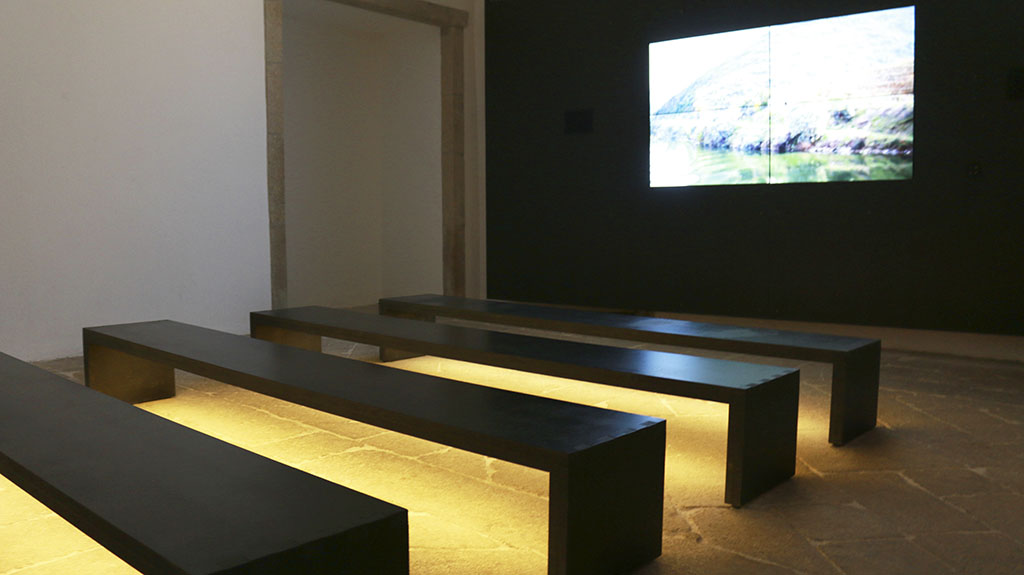
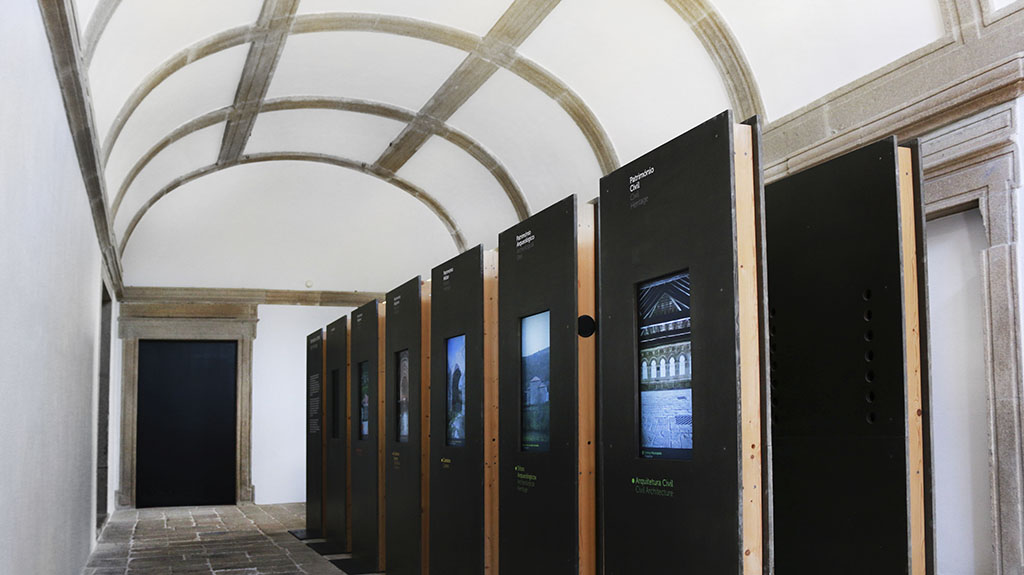
In the video available in this room, the first stop on our itinerary, you may find some of the heritage and sites of the Northern region, with particularities determined by different times, mentalities and artistic movements.
Therefore, this first view from the Monastery of Serra do Pilar, is of the heritage of the Northern region. Enjoy!