1. Exhibition Room - The Monastery in the North Region2. Cloister - The foundation and construction of the Monastery3. Chapter Room - The religious power in the Monastery4. Dormitory - The occupation of the Monastery5. First Cell - The split between the communities of Grijó and Serra do Pilar6. Second Cell - Education in religious life vs. education in secular life78. Sacristy - The new designation of the Monastery9. Church - The refoundation of the monastery as Monastery of Santo Agostinho
 Dome - The Monastery and the city of Porto
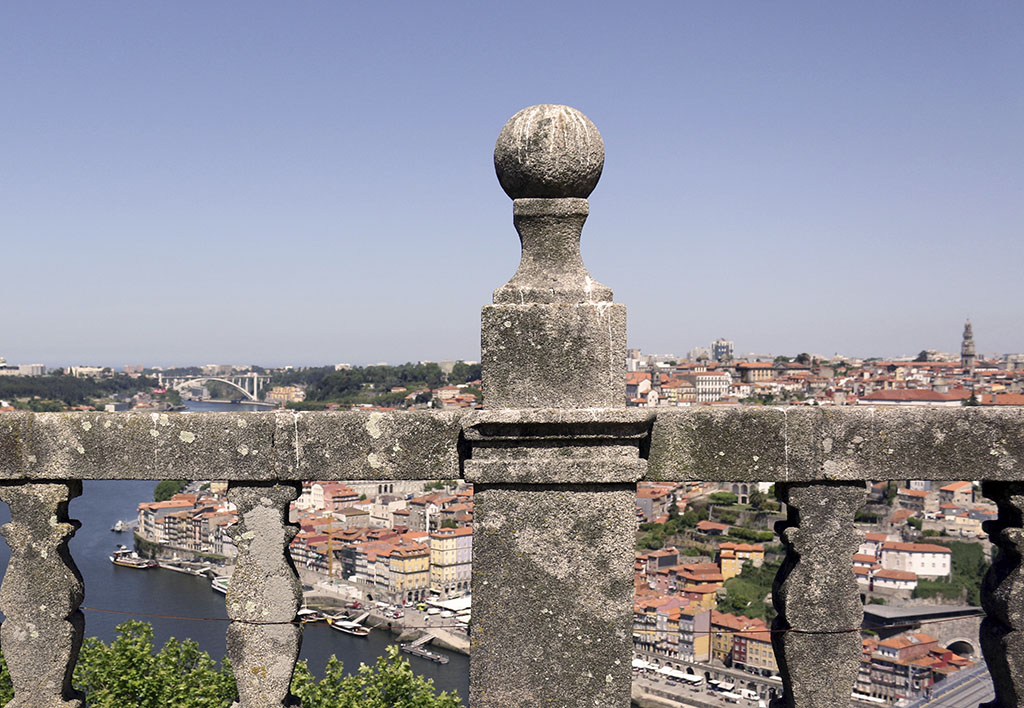
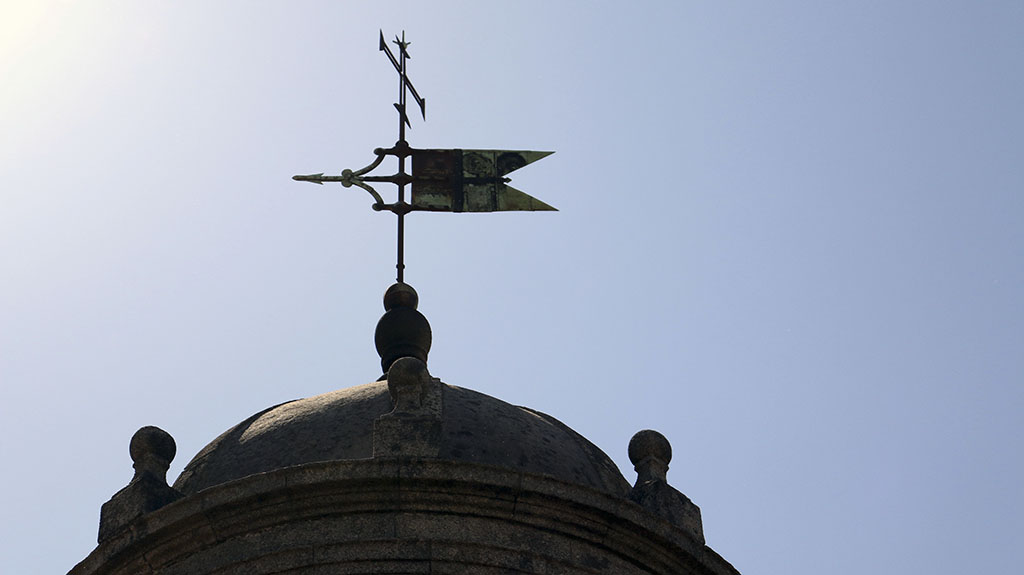
With a unique view over the Douro River and the its surrounding urban centres, the dome of the Monastery of Serra do Pilar could not fail to be included in this itinerary. Not only for being an especially beautiful area of the monastery, which provides us with the largest window of the monastery as "imago mundi" but also because it allows us to observe the built heritage around the Douro.
It is the perfect setting for a reflection on the city during the Renaissance. The progress and innovations made during the Renaissance period in industry, transport, commerce and banking, changed the urban landscape. These transformations served as a driving force for the progress and constant innovation that accompanied the history of Europe. They accelerated the pace of writing - from hand to machine and then from paper to digital.
Within its walls, the arts and handicrafts were refined, monuments and services were built up, and dialogues and exchanges were increased.
Cities grew in size and population. The dynamism that started to grow up within the cities became a characteristic of them, and for the first time, this dynamism walked hand in hand with an urban attitude and an awareness of the city as a community. Cosmopolitanism and multiculturalism were born. Today we do not know what it is to live without them. Here, in the dome, we suggest that you take a moment to feel and reflect on them. From the window of the world, the view could also be of your own street.