
1. Exhibition Room - The Monastery in the North Region2. Cloister - The foundation and construction of the Monastery3. Chapter Room - The religious power in the Monastery4. Dormitory - The occupation of the Monastery5. First Cell - The split between the communities of Grijó and Serra do Pilar67. Dome - The Monastery and the city of Porto8. Sacristy - The new designation of the Monastery9. Church - The refoundation of the monastery as Monastery of Santo Agostinho
 Second Cell - Education in religious life vs. education in secular life
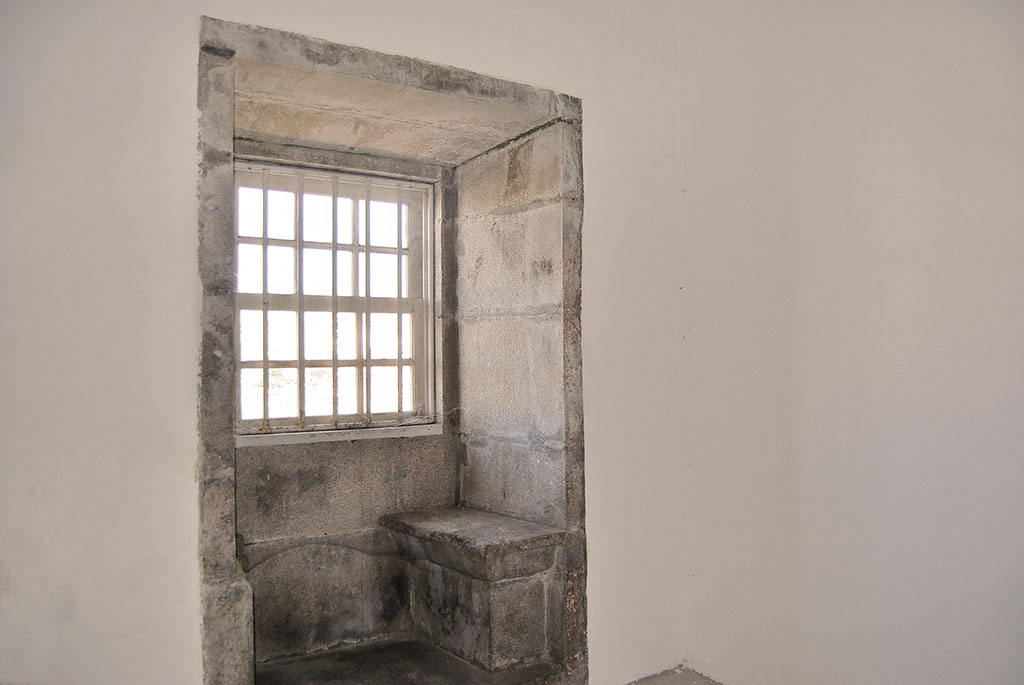
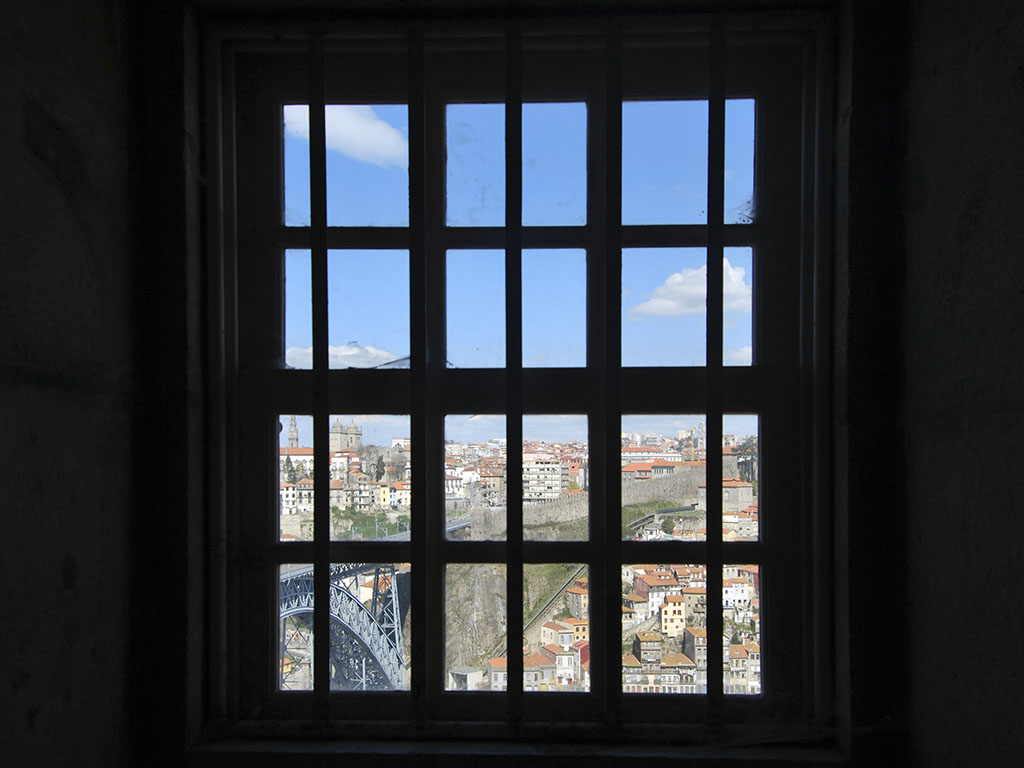
Beyond practices and liturgical rituals, religious life has always entailed a strong component of study. Therefore the individual cells of the monks are composed of two divisions: an area of study, with a large window opening onto the landscape and a smaller area, with less light, in which to sleep.
However, outside the cells of the monasteries, new ideas could be encountered, which revived the knowledge of Classical Antiquity and, simultaneously, fervently challenged historic figures such as Aristotle, while raising the understanding of other historic figures such as Plato to another level.
Science, experimentation and humanism dominated the thinking of the time, causing a great increase in new inventions and the assertion of individualism. Children began to be recognized as individuals.
The period of education and study was increased and timidly extended to women. Learning was imparted more quickly, and with higher quality, technique and interdisciplinarity. Thus began the culture of the printed book, of reflection on Education and also, of instruction by mentors to whom pupils owed allegiance.
However, education still remained confined to the noblest class and an emerging bourgeoisie.
Education gained new breath and a new face with the Renaissance, paving the way for the claim that the period was one of the foundations of the modern and postmodern world. Are we honouring this legacy? What is Education's role today?