
1. Exhibition Room - The Monastery in the North Region2. Cloister - The foundation and construction of the Monastery3. Chapter Room - The religious power in the Monastery45. First Cell - The split between the communities of Grijó and Serra do Pilar6. Second Cell - Education in religious life vs. education in secular life7. Dome - The Monastery and the city of Porto8. Sacristy - The new designation of the Monastery9. Church - The refoundation of the monastery as Monastery of Santo Agostinho
 Dormitory - The occupation of the Monastery
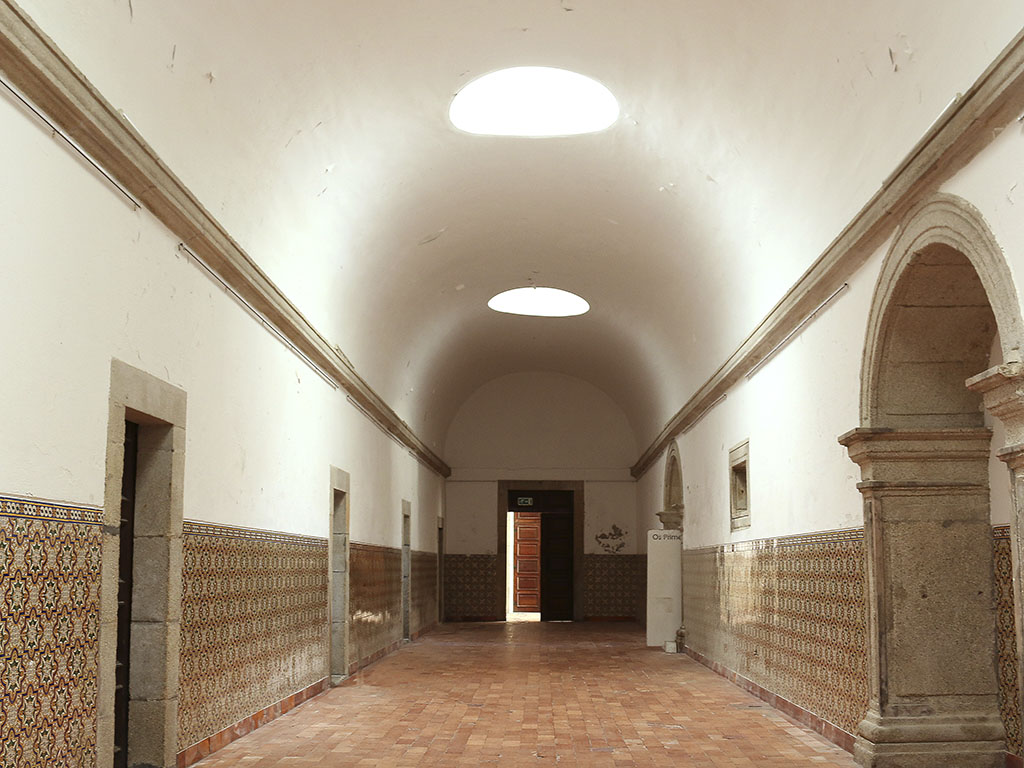
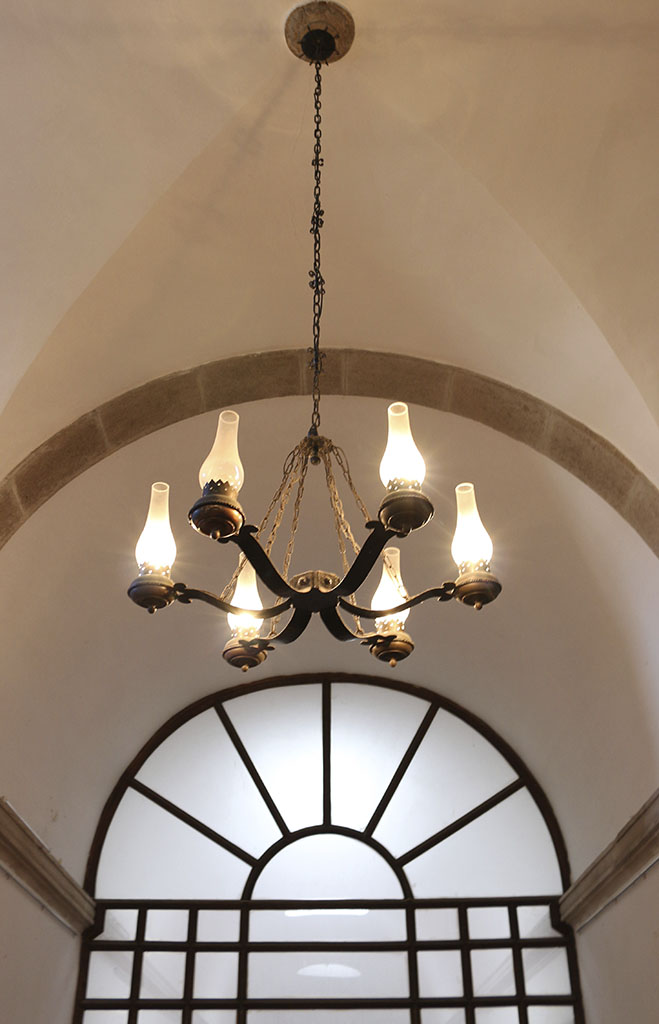
The current structure of the dormitory, consisting of a double row of cells separated by a central corridor, dates from 1660. This structure was probably rebuilt on the foundations of the original building, in existence since the founding of the monastery.
It was only in the year 1542, that the monastery was finally occupied by the Community of Grijo, fulfilling the essential purpose of its construction.
This decision was carried out by Frei Brás de Braga, in 1536, under the reform of the Monastery of the Saint Saviour of Grijó. The Monte de São Nicolau, in Vila Nova de Gaia, was the site chosen for the implementation of the new monastery. Its location ensured proximity to the urban centre of Porto, and enabled the strengthening of the institution's pastoral activity towards the urban populations, and, at the same time, this location on the other side of the Douro gave the canons the necessary detachment, suitable to the religious life.
Finally, the canons of the Community of Grijó moved from the rural periphery to be closer the urban centre of Porto.
As we know, the migration and movement of persons and peoples played a quite significant role in the history of the Renaissance and Europe.
The Renaissance came to strengthen individual and social trajectories on the continent and even beyond. The movement of people, goods, knowledge and institutions still marks Europe today, maintaining its vital role in the life blood of contemporary Europe.