
1. Exhibition Room - The Monastery in the North Region2. Cloister - The foundation and construction of the Monastery3. Chapter Room - The religious power in the Monastery4. Dormitory - The occupation of the Monastery5. First Cell - The split between the communities of Grijó and Serra do Pilar6. Second Cell - Education in religious life vs. education in secular life7. Dome - The Monastery and the city of Porto89. Church - The refoundation of the monastery as Monastery of Santo Agostinho
 Sacristy - The new designation of the Monastery
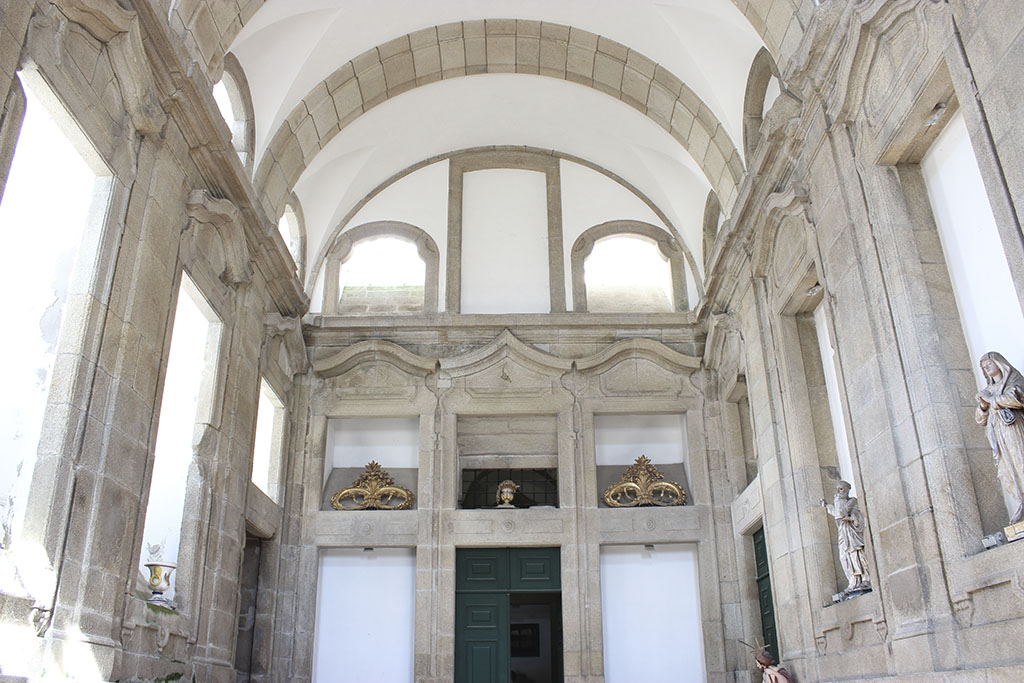
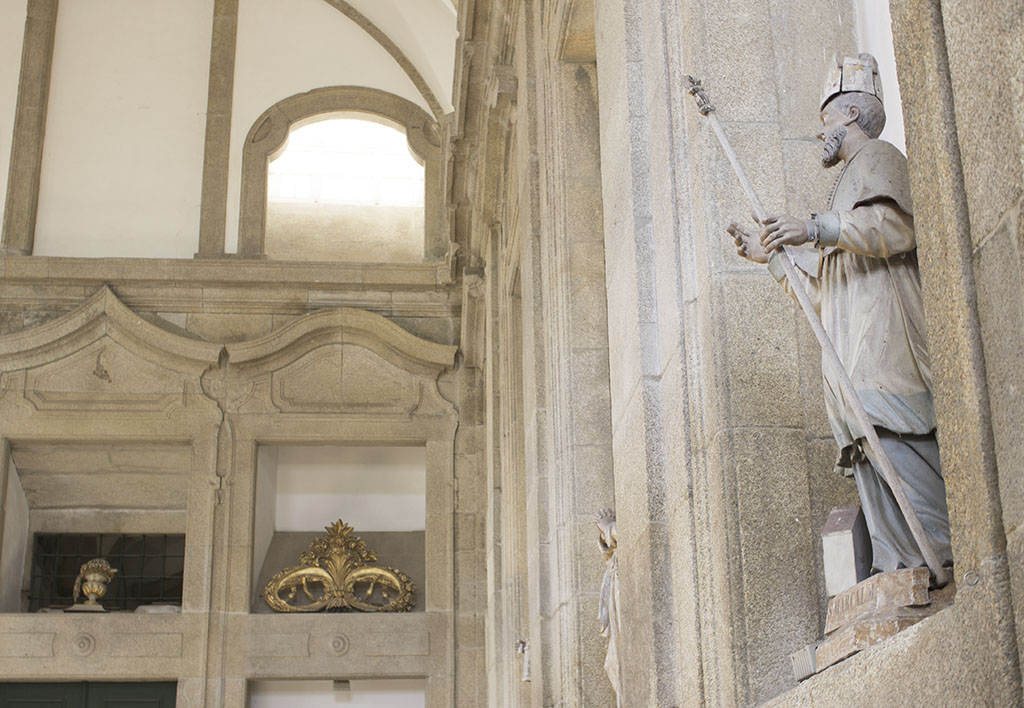
In 1599, the monastery would have a new name - Monastery of Saint Augustine of Porto. Similar to other monasteries and churches in Europe, and even in the Americas, they began to discover and promote this "New World" that started in Europe and which revealed new possibilities and cultures.
Although Europe was heading towards a new humanism and secularism, the Judeo-Christian heritage, represented especially by the Roman Church, continued to have an important role, but also a renewed line.
Even with the Protestant Reformation, the Roman Church continued for many years to forbid the translation of the sacred text to the so-called vernacular languages. Paradoxically, however, it rejected the doctrine of justification by faith as incompatible with human freedom
The instruction of the clergy was also strengthened and thus the clergy became, more than ever before, more theologically and morally consolidated.
As this is the sacristy where the garments, the secrets and the objects linked to the liturgy are preserved, we consider this place appropriate for a reflection on the Judeo-Christian legacy. Often associated with a nebulous dimension, nevertheless , either by agreement or disagreement, it created of some of the most innovative artists and the most impressive works of art from European history.
Concerning the sacristy, the date 1755 inscribed on its entry door, suggests that it had been completed by the time of the Lisbon earthquake. Therefore, it is possible to identify it, stylistically, with the works of the Marquis of Pombal government.