
1. Exhibition Room - The Monastery in the North Region2. Cloister - The foundation and construction of the Monastery3. Chapter Room - The religious power in the Monastery4. Dormitory - The occupation of the Monastery5. First Cell - The split between the communities of Grijó and Serra do Pilar6. Second Cell - Education in religious life vs. education in secular life7. Dome - The Monastery and the city of Porto8. Sacristy - The new designation of the Monastery9
 Church - The refoundation of the monastery as Monastery of Santo Agostinho
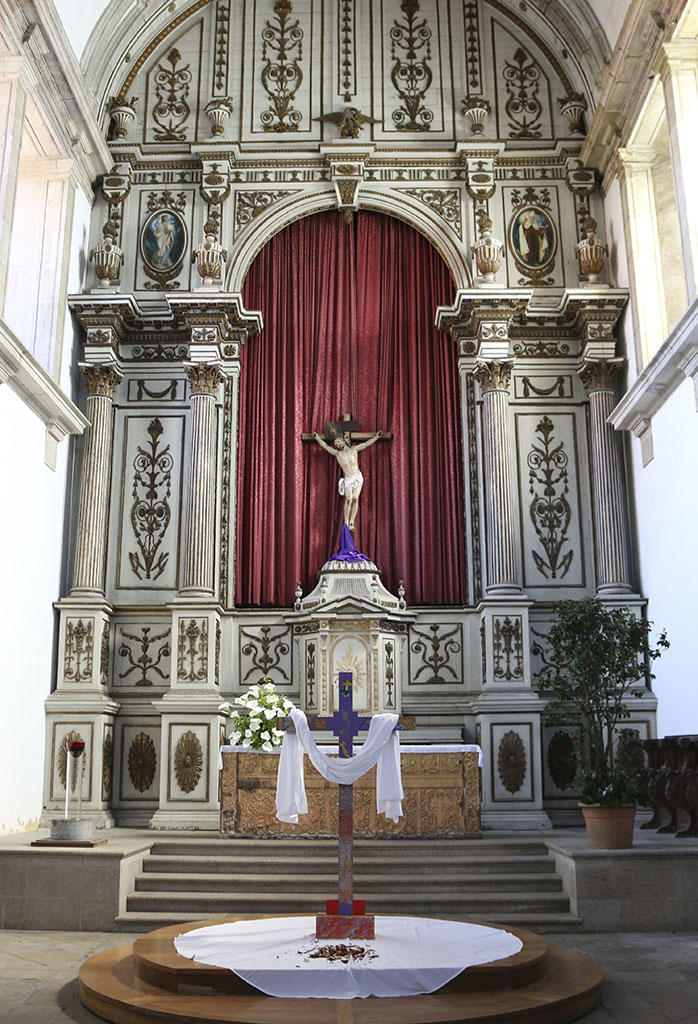
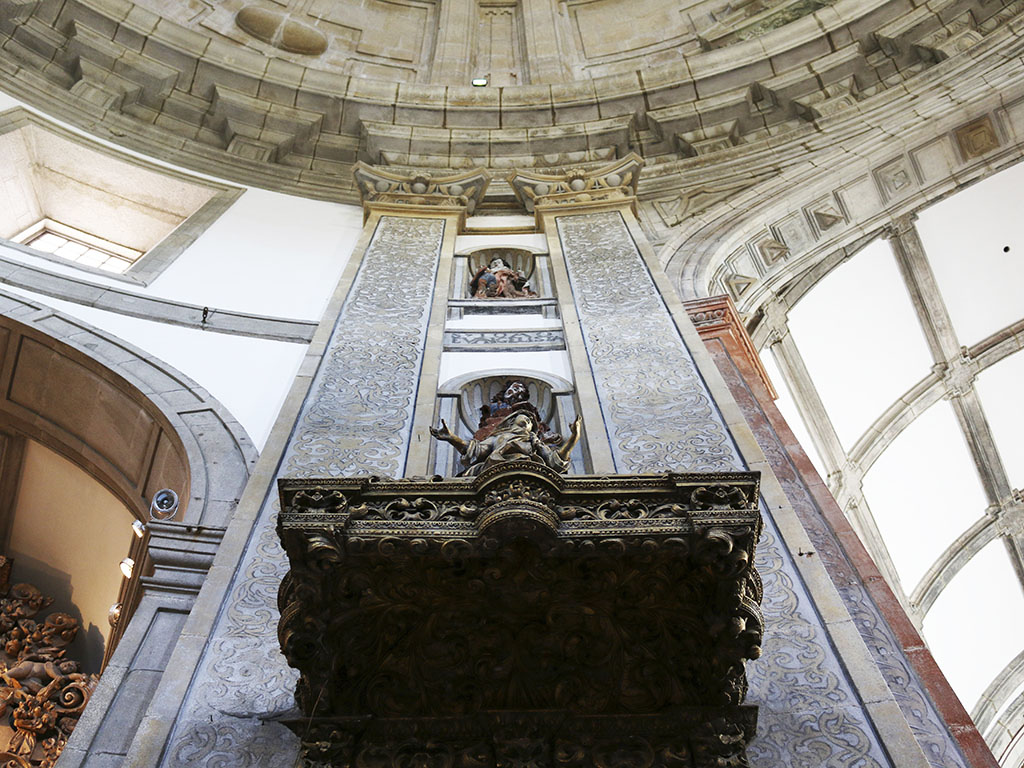
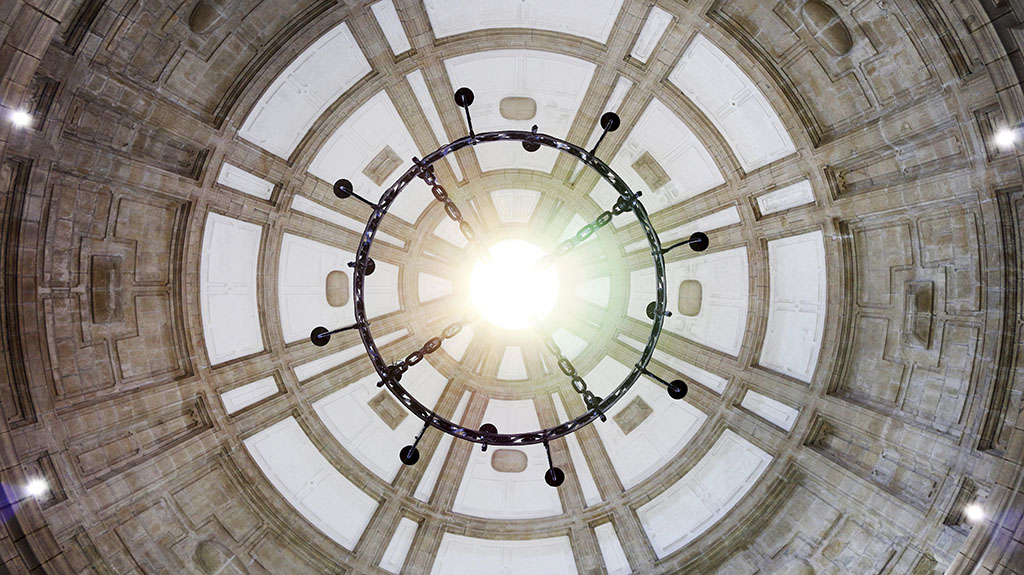
Founded by D. Acúrcio of St. Augustine, the church underwent three phrases of construction: between 1597-1668, the foundations and walls of the nave were constructed; in 1669-72 the dome was completed and the lantern created; and finally in 1690-93, the retro-choir was built.
The building may be described as a brick cylinder covered by a semi-spherical dome with eight major niches cut into the wall thickness to form the chapels. The proportions of the building are rooted in the parameters of Classical Antiquity - its total height equals the diameter of the plan of the nave and the bisector of this diameter is marked by the ring at the base of the dome - which establishes similarities with the Pantheon of Constantine in Rome, also known as the Church of Santa Maria Rotonda. The monastery also establishes connections with the cloister, identical to its diameter. This double-circular geometry appears to have been defined by the community that founded the church in 1597, however it is possible that it followed the symbolic programme designed at that time by Fr. Brás de Braga in its general plan.
The image of St. Augustine, the saint whose name is given to the order to which the community belongs, draws our attention in the dome and leads us to consider the importance of his ideas in the Roman Church, but also of the secular ideas in the Renaissance.
In fact, one of the most evident contradictions of the Renaissance was the confluence between the sacred and the most purely profane, and between Christianity and the Renaissance's Neo-Platonism.