1. Exhibition Room - The Monastery in the North Region2. Cloister - The foundation and construction of the Monastery3. Chapter Room - The religious power in the Monastery4. Dormitory - The occupation of the Monastery56. Second Cell - Education in religious life vs. education in secular life7. Dome - The Monastery and the city of Porto8. Sacristy - The new designation of the Monastery9. Church - The refoundation of the monastery as Monastery of Santo Agostinho
 First Cell - The split between the communities of Grijó and Serra do Pilar
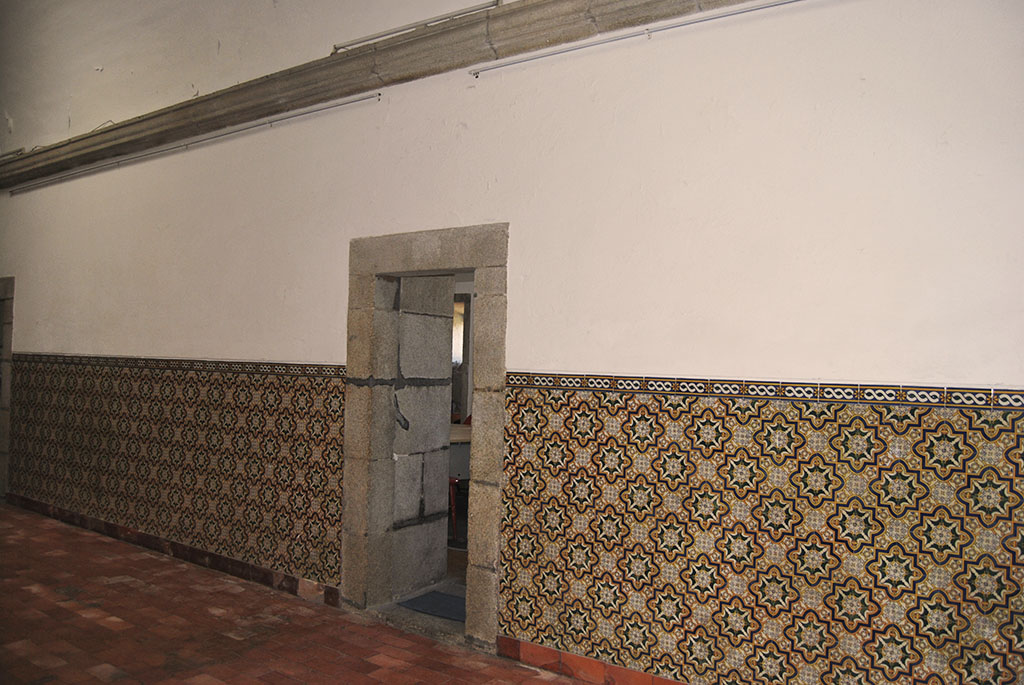
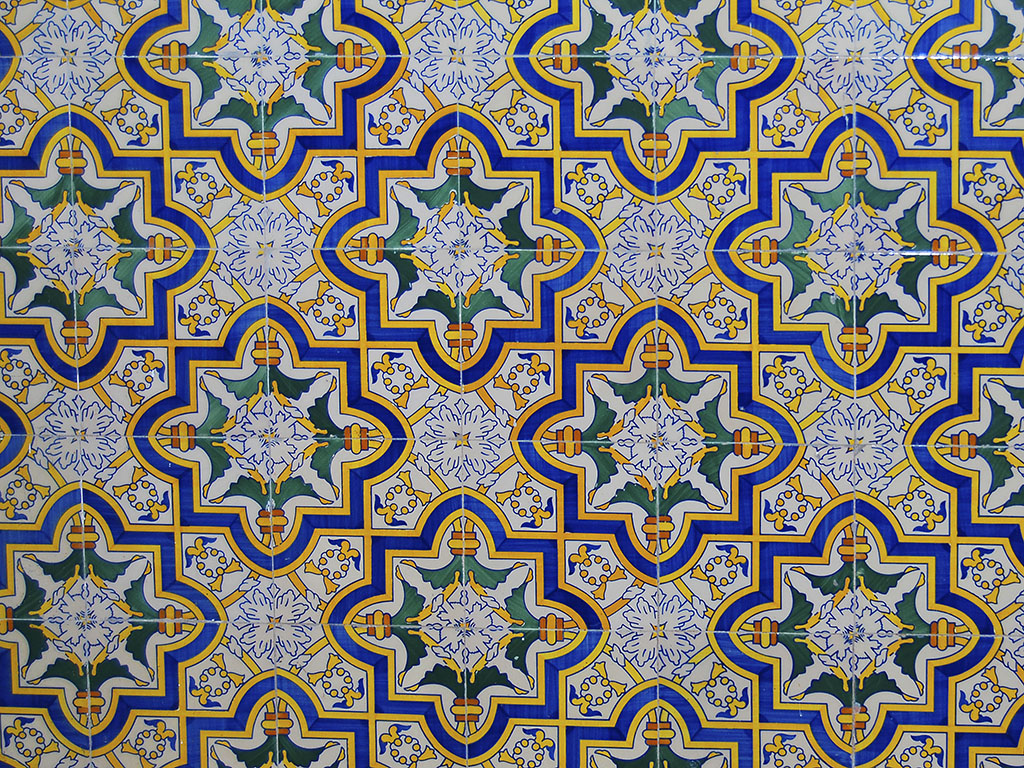
In 1564, by decision of the General Chapter, the Community of Grijó was separated into two different communities - Grijó and Serra do Pilar - even the incomes and assets were divided. From this split, a new order was born; the Community of Serra do Pilar. The canons who stayed in the Community of Grijó, thus returned to the old homonymous monastery.
This new Community of Serra do Pilar assumed responsibility for the administration of the monastery.
However, this split does not rival in scale the divisions experienced within European Christianity, such as the Schism of 1378 and later, with the publication of the 95 Theses of Martin Luther in the early sixteenth century, the Protestant Reformation. This developed at a bewildering pace, and had already revealed new communication channels, new mindsets and a great appreciation of the national languages that characterized this period. Europe became increasingly urbanized, educated, dynamic and secular, in comparison to previous centuries.
Almost unknowingly, Luther triggered a fracture in Christianity, with numerous effects that can still easily be observed in Europe today.
This fracture, this attempt to seek agreement on access to religious knowledge among the clergy and other social groups, provoked in turn the Wars of Religion, such as the Eighty Years' War and the Thirty Years' War, especially prominent conflicts in European history. A history of a continent clearly built on conflict, but also on a constant search for harmony.